It’s Okay to Lose It (If We Know How to Come Back)
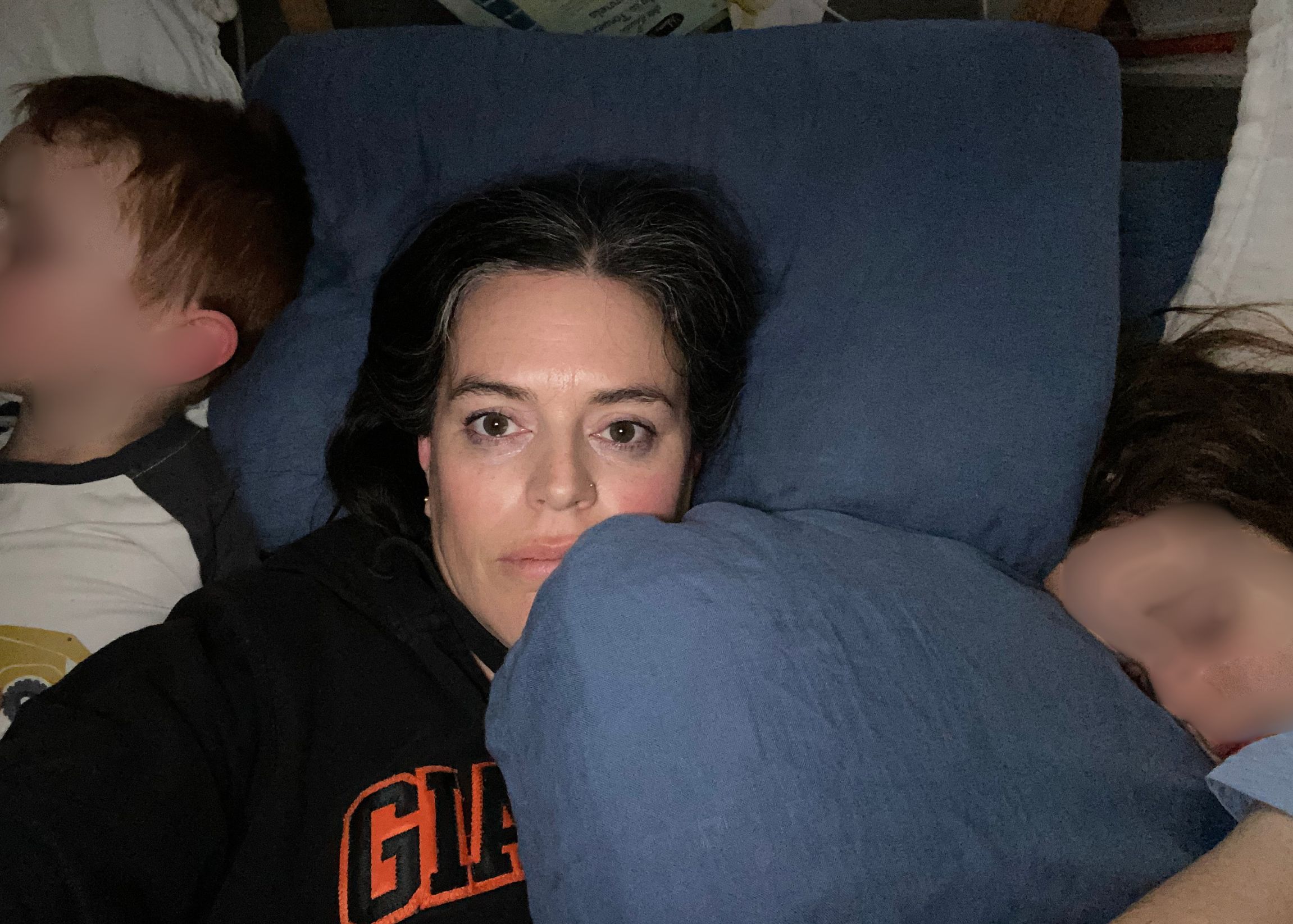
To calm down after yelling at our kids, take a slow breath, soften the jaw and shoulders, and wait until the body settles before talking. Then go back to our child, say what happened in a sentence or two, and reconnect. Repair matters more than never yelling, and it gets easier with practice.
I used to think the goal was to never snap or yell. That being a good, regulated mom meant I was calm all the time. If I yelled, I had failed, and the whole day felt ruined by one bad moment. I didn’t know that what I did after I yelled was more important than trying to never yell again.
What should we do right after we yell?
Stop talking, slowly inhale and exhale even slower, and wait for the body to settle. You do not have to fix anything in the next few minutes.
Your first job is to settle your body, not to say the perfect thing (or anything at all).
If you can, drop your shoulders, unclench your jaw, and press your feet into the floor. A physiological sigh works well here too. If your kids are safe, it is okay to step away for a few minutes.
Once your body has started to settle, your thinking brain comes back and the next step gets easier. If you want a longer plan for the seconds before it happens, I wrote one in The Pause Is Smaller Than You Think.
How do we repair with our child?
Repair has three parts: what happened, what was ours, and what we’ll try next time. Keep it to a sentence or two for each.
What it doesn’t have: expectations of forgiveness or anything else from our children.
| Part of repair | What it can sound like |
|---|---|
| What happened | “I yelled when you argued with each other in the car.” |
| What was ours | “I felt overwhelmed by the noise. It wasn’t your fault.” |
| What we’ll try next time | “Next time I’m going to take a breath before I talk.” |
Say it at their level and then stop. You do not need a long speech, and you do not need them to say anything back. Sometimes the repair is a hug. Sometimes it is sitting next to them for a minute while they color.
What does “I always overreact,” “I am so angry,” or “I am a bad mom” do to the next moment?
Shame makes the next pause harder to find. Self-compassion keeps the window open.
The thought that sometimes follows a yell is something like “I always overreact” or “I am a bad mom” or “Why am I so angry?” Those thoughts feel true, but they are the body’s alarm still ringing. If that one is loud in your head, Not a Bad Mom is for you. And Why Do I Yell at My Kids? walks through what is happening in your body when it happens.
Just because we think something does not make it true, and often our nervous system’s alert tells us things that feel true in the moment but aren’t.
What if we’re still upset when we go back?
Repair can wait ten minutes. One sentence now is enough, and you can say more later.
If you are still too upset to be kind, say so: “I’m still calming down. I’ll come find you in a few minutes.” That is already a repair. It shows your child what it looks like to take care of a big feeling.
Our little ones are so smart and intuitive. Trying to force a repair when we are still reeling from the moment or buzzing with anger is obvious to them. They feel the disingenuous apology.
What if our child won’t talk?
Stay near, keep it short, and skip forced forgiveness.
Some kids need space after a hard moment. You can stay close, say your sentence, and let them be. Not every repair ends with a hug and an “I forgive you,” and that is okay. They saw you come back.
Common questions about calming down and repairing
Does yelling damage my child? I am not a doctor or a child development expert, so I won’t make a claim here. What I know from my own house is that how we come back matters a great deal. If you are worried, your pediatrician or a family therapist is a good place to ask.
Should I apologize every time? You do not have to apologize for every loud moment, but naming what happened in a sentence or two is a good habit. It tells your child it was about your body, not about them. It also tells your kids that making a mistake, getting angry, and losing your cool happens and we all do it. What matters most is that we come back and admit our mistakes.
What if I yell again an hour later? It happens, and it does not erase the repair you did earlier. Settle your body, go back, and say it again. And again and again.
How do I repair with a toddler? Keep it very short and use your body: get down to their level, say “I yelled. That was scary. I’m sorry,” and offer a hug if they want one.
Do I need therapy? Yelling is common, and needing support is okay too. If yelling is happening often, feels out of your control, or you are worried about it, talking to a therapist can help.
Where to go from here
If you’d like to go deeper, I’d love to have you at my free live class, The Reason You Yell at Your Kids, on Wednesday, November 18 at 10am PT. We’ll talk about what the body is doing in the seconds before we snap and how to come back to calm. You can save your spot here.
What helps you come back? Tell me in the comments. I read every one.