The Reason You Yell at Your Kids (It’s Not What You Think)

If you’re yelling at your kids more than you’d like, it’s not a character flaw — it’s your nervous system. When you’re already depleted, it treats small moments like whining or mess as real threats, triggering the same stress response as danger. The fix isn’t willpower. It’s learning to catch the moment between trigger and reaction.
Why Do Small Things Make You Snap at Your Kids?
“This isn’t the mother I want to be… why do I keep doing this?”
The single thought that keeps me up at night. I think you know how it goes.
On Fridays, we pick up pan dulce before our carpool arrives. It’s a little treat that’s become a Friday tradition — we all love it, except it means getting ready a few minutes earlier so we can run to the store first.
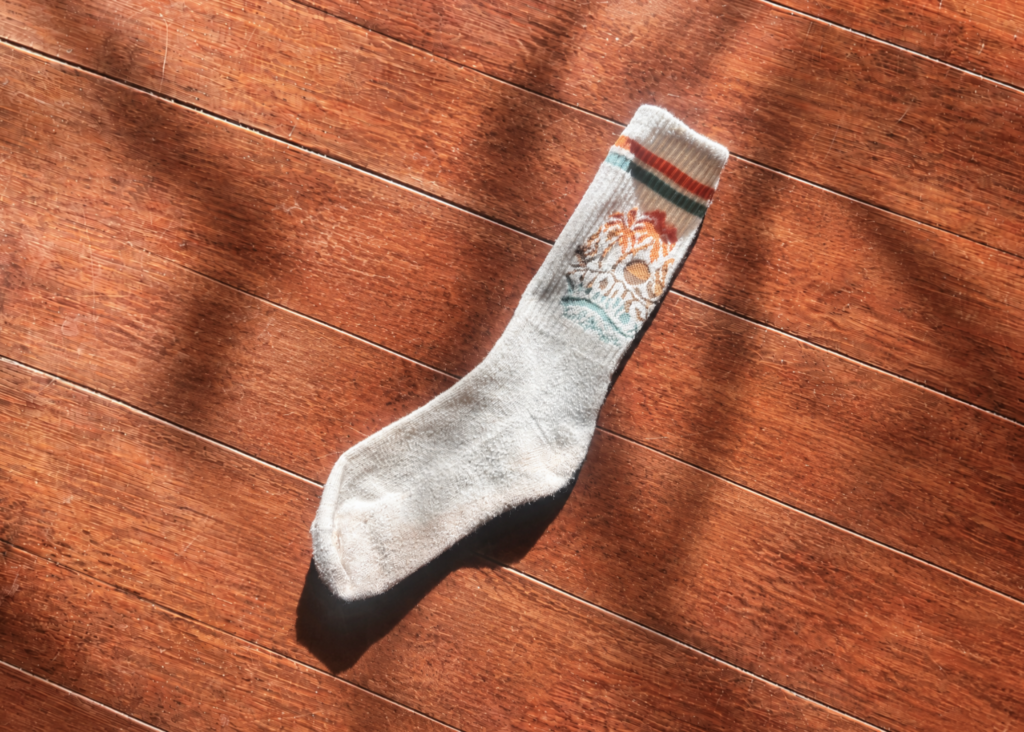
And, like most Fridays, I ask my little one to put on his socks. And, like most Fridays, he just doesn’t. I ask again. Still no socks. I ask a third time, and even though I can feel my blood pressure rising, I manage to keep my cool.
But. Still. No. Socks.
This is when I get triggered. I say the same thing I say every Friday: “Look guys, if we can’t get moving and I have to ask three or four times for the same things we need to do every time we leave the house, we can’t get pan dulce.”
And, like we’re reading from a script, they whine, “but maaaaammmmmaaaaaa…”
Back and forth, like this. And occasionally, after all of it, we’re still missing at least one sock.
And then I lose it. Over a sock.
And I know later that night, I’ll be thinking that thought.
What Is Happening in Your Nervous System When You Yell?
For a long time, I thought moments like this meant something was wrong with me. I don’t have enough patience (probably true). I don’t have enough willpower (also probably true). Maybe I have a character flaw I just can’t seem to fix (maybe never will?).
I’ve since learned:
My nervous system couldn’t tell the difference between an un-socked foot and a lion.
It sounds ridiculous. But in a biological sense, our nervous system’s entire job is to scan for threats, constantly, in the background, without consulting you while it happens.
And when it’s already been depleted by 7am — a sleepless night, a mess in the kitchen from the night before, the mental load of snacks and cleats and a change of clothes and instruments, all of it — your nervous system doesn’t need a real threat to activate.
That’s not an excuse. It’s an explanation. And the difference matters more than I ever understood.
What Is the Pause Between a Trigger and a Reaction?
While understanding the biology of it all helped with my guilt, it didn’t help in the moment.
Because there’s a moment between the trigger and the reaction — the yell. It only lasts a split second, and many of us aren’t even aware it’s there.
Noticing it (and then using it) is a skill. It may not come easy 🙋🏻♀️, but it’s something we can learn — noticing the blood pressure rise at the first sock-ask, or the pursed lips right before you snap at your partner.
I knew to notice my triggers, but I didn’t know to look for these signs. I had to learn to listen to my body before I could hope to change my reactions.
This moment is where everything changes. Not because you stop having the triggers — you won’t, not completely — but because you find a half-second to choose your reaction.
Is Yelling a Personality Flaw or a Biological Response?
If you’ve yelled at your kids and then ruminated on the whole incident, I want you to know: nothing is wrong with you. You’re not a bad mom. You’re a depleted one, with a nervous system doing exactly what nervous systems are built to do, in a world that gives it way too much stimulation and almost no room to reset.
“Oh, you want me to calm down? Great idea! I hadn’t thought of that! Okay, done!”
Most of us weren’t taught this. We were blamed for our own tears, or sent to our rooms when we couldn’t control our emotions. The message seemed to be that we could just think our way into a calm body, as easy as flipping a switch. So we’ve come to blame ourselves, over and over, for not being able to do something we were never taught.
And our reactions aren’t the problem — they’re information. They’re our body’s way of telling us we’re past capacity. And often the reaction feels big because the gentler signals were ignored first.
How Do You Stop Yelling and Respond Differently?
My little one still struggles to get his socks and shoes on without me asking several times (when does this end? Does anyone know? Pllllleeeeassssse comment below.).
Now, most of the time, instead of snapping and then asking myself “what is wrong with me, why can’t I be more patient,” I check in with my body. I notice my blood pressure rising before I lose my patience. And then I ask myself: is this really just about the sock, or is something else going on? Sometimes the answer is “nothing,” and “nothing.” Most of the time, there is something there.
Learning about the physical side of my reactions gave me the skills to catch those feelings earlier, before they turned into yelling, and work with them instead of getting steamrolled by them. It also gave me a lot more self-compassion.
If this is something you’ve struggled with, or you’re interested in the body-brain connection or nervous system regulation, I’d love for you to join me for a free live training called The Reason You Yell at Your Kids. I’ll go deeper into the biology of it, the moment between the trigger and the reaction, and the tools you can use mid-chaos. It’s free, and no one needs to have their socks on to be there 😉
Common Questions About Yelling at Your Kids
Why do I yell at my kids even when I don’t want to?
Yelling isn’t about willpower — it’s your nervous system reacting to a trigger (or likely many piled up throughout the day) before your thinking brain has a chance to respond. When you’re depleted, even small moments (a whine, a mess, a missing sock) can register as a threat. Learning to notice the half-second between trigger and reaction is what breaks the pattern, not trying harder.
Is it normal to yell at your kids?
Occasional yelling is extremely common. I don’t know very many moms who haven’t lost their temper at least a few times, especially when we’re overstimulated, exhausted, and overwhelmed. What matters more than any one moment is the pattern over time and whether repair happens after — just ask Dr. Becky Kennedy, the child psychologist behind Good Inside.
How do I stop yelling at my kids?
Start by noticing your own early warning signs — rising blood pressure, pursed lips, a tight jaw — before the reaction hits. That half-second of awareness is the leverage point. From there, you can build in a pause, a grounding phrase, or a physical reset, instead of trying to will yourself calm in the moment.
What causes a parent to lose their temper?
Usually a nervous system that’s already past capacity — not enough sleep, too much sensory input, an unmet need — meeting one more small demand it can’t absorb. The trigger (a sock, a whine, a mess) is rarely the real cause; it’s just the moment the system finally tips over.
Can yelling occasionally really affect my child?
What shapes kids long-term tends to be the pattern, not a single incident. Repair — acknowledging what happened and reconnecting afterward — matters more than achieving a yell-free household. Kids remember how conflict gets resolved, not whether it happened at all.