Stress Archetypes: Which of the Five Stress Responses Are You?
Fight, flight, freeze, fawn, and flop are the five common ways our nervous systems respond to stress. Fight is snapping or yelling, flight is staying busy or avoiding, freeze is going blank, fawn is people-pleasing, and flop is shutting down. Most of us have a mix, with one response that leads.
This is an embarrassing story. Imagine my kids in the playroom, giggling and playing. They’re being sweet and silly with each other. Jumping and running around. And just having the best time.
And I could just feel my shoulders creep up and my lips purse. Then, my answers would get shorter. My jaw would tighten and suddenly, I’m snapping.
I would get so overwhelmed when they were having so much fun. And I absolutely hated myself for it. I wanted to enjoy their joy, and found that often, I could not.
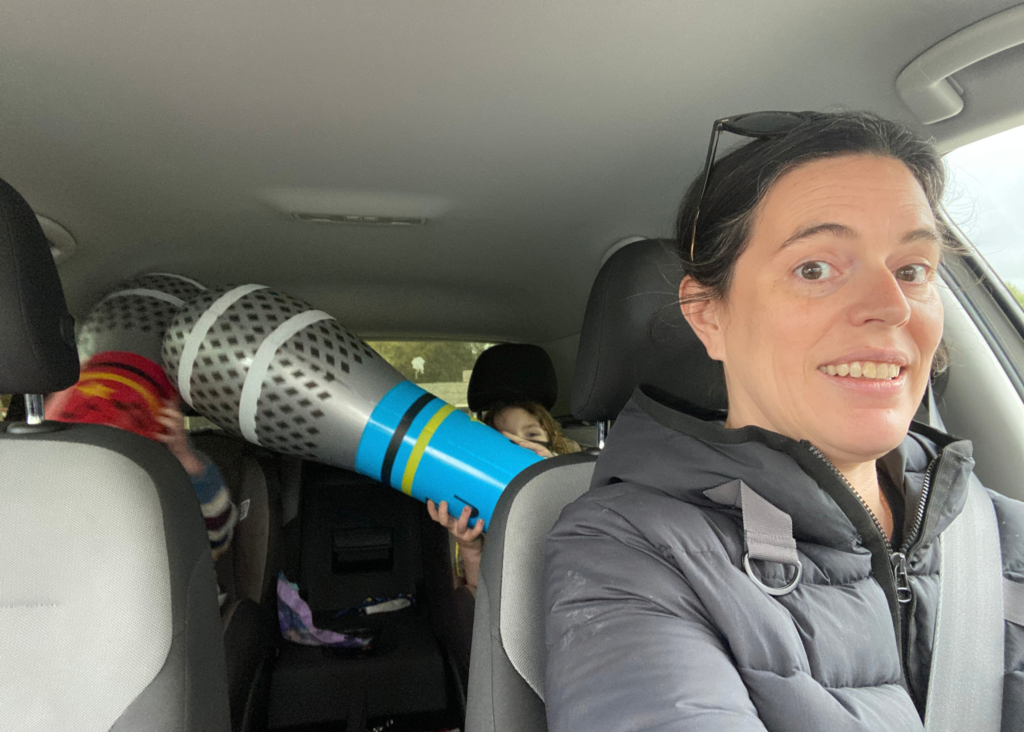
For the record, my kids are loud. Like really loud. One has been nicknamed “the loud capuchin.”
Eventually I noticed a story underneath all that noise: “I am not being heard.” It showed up in other relationships too. “I’ve asked this a few times and nothing seems to be happening. Why can’t you hear me?” Not being heard triggered a fight response.
In the last year, my stress response changed. I didn’t recognize it because I wasn’t aware of the fifth response, flop, and I started treating the symptoms rather than working on my nervous system. Once I learned more, I focused on regulation. My full list of resets is in How to Regulate Your Nervous System, and What Does It Mean to Feel Safe in Your Body? explains how we can give our bodies signals of safety.
When we’re working to move out of a stress response and into a more relaxed, connected state, it helps to know what our response is, how it feels in our bodies, and what stories we might be telling ourselves (consciously or not) that keep it going.
So which response are you?
What are the five stress responses?
The five common stress responses are fight, flight, freeze, fawn, and flop. Each is the nervous system’s way of trying to keep us safe, and each looks different in everyday motherhood. Most of us recognize at least one right away.
| Response | What it can look like in the body | What it can look like in behavior | What we might say to ourselves |
|---|---|---|---|
| Fight | Tight jaw, heat, clenched hands, a louder voice | Snapping, yelling, arguing, feeling irritable, angry outbursts | “I’m not being heard.” |
| Flight | Restlessness, panic | Skipping hard conversations, distracting ourselves so we don’t have to think about it, staying busy to escape, leaving the room, scrolling | “I need to get away from this.” |
| Freeze | Heaviness, foggy thinking, feeling far away, dissociation | Feeling stuck and unable to start the task, going blank during hard conversations, feeling paralyzed when anxious, feeling disconnected from our bodies, being unable to advocate for ourselves (or our kids) in the moment | “Nothing I do makes a difference.” |
| Fawn | Tension in the shoulders, a smile that feels forced | People-pleasing, saying yes, apologizing too much, not being able to say no or set boundaries, over-explaining or justifying, agreeing publicly even when we disagree internally | “I have to keep everyone okay to be safe.” |
| Flop | Heaviness, limpness, exhaustion, feeling numb, depression or withdrawal | Complete shutdown, being unable to respond, inability to function, emotional numbness, physical collapse | “Nothing I do will help, so I’ll stop trying.” |
These responses can also show up in ways we might not link to stress at first, like:
- Fight can feel hot in the face, almost pulsating, and look controlling or combative. It can feel like we don’t have control over how big the feeling is.
- Flight can look like staying busy so we never have to sit still: constantly exercising, being called a workaholic, feeling buzzing and restless. It can also mean skipping hard conversations or distracting ourselves with mindless scrolling so we don’t have to think about it. Perfectionism and super cleaning show up here too.
- Freeze is feeling stuck, foggy, and unable to start. It’s the phone call we know we need to make or the bill we know we need to open, and we can’t make ourselves begin. It can sound like “I just can’t care anymore,” and it can look like going through the day on autopilot, disconnected from ourselves and our kids.
- Fawn is people pleasing. It looks like over-apologizing, rushing in to smooth things over, feeling like everything that goes wrong is our fault, and feeling like asking for help is bothering people. It can also look like losing ourselves in motherhood or constantly trying to “fix” our kids’ emotions.
- Flop can look like emotional numbness, feeling nothing at all because feeling anything is too much. It’s exhaustion, disconnection, and inability to feel much of anything.
Staying busy is one of the easiest to miss. Because we’re productive, we feel valued. But it brings only temporary relief and doesn’t help our bodies come back to balance.
Why do we have stress responses at all?
Stress responses are survival tools. Our nervous systems learned to respond fast to possible danger long before there was anything to be late for or a to-do list to manage.
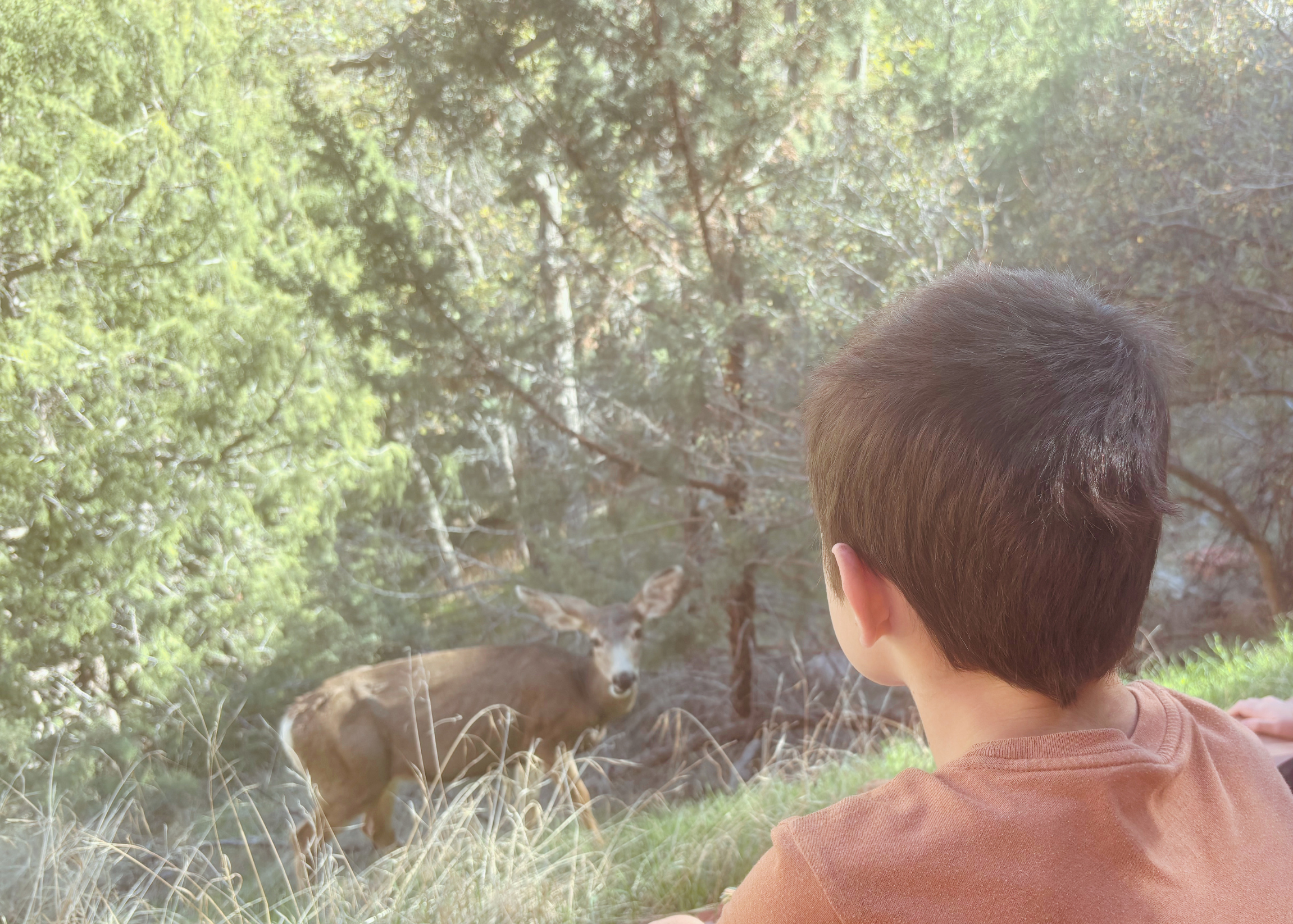
All mammals respond to danger with fight, flight, and freeze. We ran from predators, fought rival tribes, and froze when we were scared and didn’t know what to do. Think of the literal deer in the headlights.
Fawn was identified later by psychotherapist Pete Walker as a human, social response to stress (Psychology Today). Flop (tonic immobility, or “playing dead”) is a last-resort shutdown response seen across the animal kingdom (Frontiers in Psychology, Charlie Health).
Our nervous systems are constantly scanning the environment, other people, and even our own bodies for cues of safety and danger, without involving the thinking part of the brain. When it senses danger, we have a stress response.
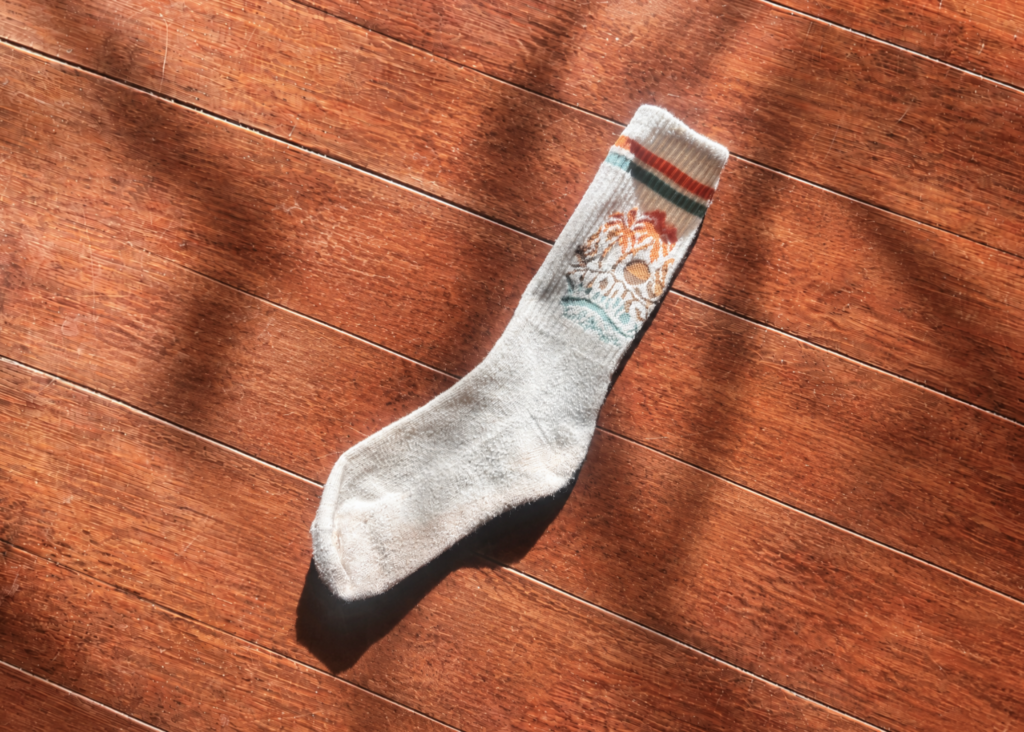
These responses work well when there is real danger. Now they can misfire over small things: a toddler who won’t put on his shoes, a partner who still hasn’t gotten the pregnancy clothes out of the attic, a nasty email from a coworker. Even a missing sock.
Stress responses are natural and necessary when they match the circumstances and we can move out of them. Staying stuck in them is what wears us out.
Which stress response am I?
Notice what we do, how it feels in our bodies, and what we tend to tell ourselves in the middle of a hard moment. The answer is usually the response we reach for first.
Try these questions the next time you’re stressed (or think back to the last time):
- What did your body do first? Did you get hot and tight, restless, heavy, or tense and smiley?
- What did you do next? Did you get louder, leave, go quiet, or smooth things over?
- What were you telling yourself while it was happening?
Another way in: think about what keeps you up at night. Is it:
- “I yelled again, and I promised I wouldn’t”
- “I was distracted all day and kept telling them to wait a minute,” or two and a half hours of scrolling and wondering where the time went
- “I knew what I needed to do and couldn’t make myself start”
- “I let them walk all over me again, and now I’m worn out”
- “I have nothing left, and I can’t feel anything about it”
Notice which one sounds most like you. There’s no wrong answer, and you don’t have to figure it out in one sitting.
Can I have more than one stress response?
Yes. Most of us have one response that leads, but very few of us respond the same way every time. It can change with the situation, the people involved, how tired we are, what happened earlier that day… so many things. And it can shift from moment to moment.
I’m a mix of fight and flight, and when I’m at my most stressed I flop. On a day when I’m already worn out, I can go flat and quiet instead of loud. Yours might shift between home and work, or between your kids and your partner. Some of us fight at home and fawn at work, or freeze around extended family and run when we’re home with our partner and kids.
What’s the point of knowing my stress response?
Knowing our response helps us notice it sooner and see the story underneath it. When we notice the physical sensation before the emotion arrives (heat in the face, a buzzing feeling, heaviness), we get a little space to ask, “Am I really in danger? Do I need this response right now?”
Often these patterns started as ways we learned to stay safe as children. We depended on our caregivers, so what we learned about staying safe around them felt like survival decisions.
Maybe we stormed off from an angry parent, became yellers because we were yelled at, became perfect and people-pleasing, or stayed still and quiet so no one’s anger landed on us. Those patterns can live in our bodies, so telling ourselves to just stop rarely works on its own.
The story itself is usually one or two sentences, like “I’m not listened to,” “I don’t have control,” or “I’m only lovable if I’m perfect.” Writing ours down is a good first step. Everyone’s story is more complicated than one sentence and a five-part list. If it brings up a lot, a therapist can be a great support.
What helps once I know my response?
Give our bodies signals of safety first (bottom-up), then get curious about the story (top-down). The body has to settle before the thinking brain can look at anything clearly.
Looking around the room slowly, pressing our feet into the floor, or slowly inhaling and exhaling even slower can all help. For more, take a look at What Does It Mean to Feel Safe in Your Body? Once the body settles, tools like noticing, naming the story, and choosing what to do next work much better.
My full list of resets is in How to Regulate Your Nervous System.
Common questions about stress responses
Is fight, flight, freeze, fawn, or flop a personality type?
No. These are patterns of response, not who we are. They can change as we learn new skills and feel safer.
Is yelling always a fight response?
Usually, but not always. Some people yell out of panic (flight) or after holding it in too long (fawn). What happens in the body first tells us more than the yelling does.
Can I change my stress response?
We can build more choice. The response may still show up, but with practice we notice it sooner, settle faster, and respond in ways that fit who we want to be.
Do I need a therapist to figure this out?
Not necessarily, but these patterns often come from childhood, and a therapist can be a great support.
Which response do you recognize in yourself? Tell me in the comments.
P.S. If you’d like to go deeper, I’d love to have you at my free live training, The Reason You Yell at Your Kids, on Wednesday, November 18 at 10am PT. Save your spot here.