The Power of the Pause: A 10-Second Plan Before You Snap

The pause before you react to your kids takes about 10 seconds. Notice your first body cue (a tight jaw, heat, shorter answers), take one physiological sigh, then name what’s happening out loud. It won’t stop every snap, but it gives your thinking brain time to show up, and you’ll get better with time.
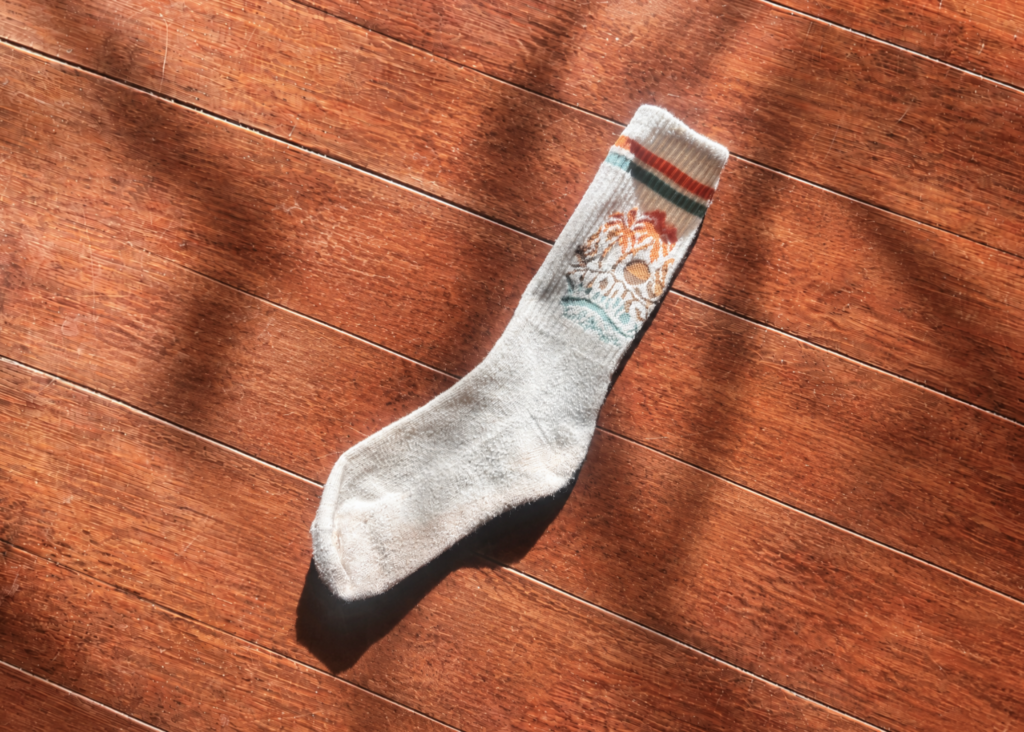
It was 7:40 on a Saturday morning, we were running late to a soccer game, and my little one was standing in the playroom wearing one sock.
“I can’t find the other one.”
I had matched them and put them with his packet the day before. My heart rate rose. My lips pursed. And my voice came out louder than I meant it to.
I wrote about that morning here, and about why a missing sock can feel like a lion. But I keep thinking about the few seconds before my voice got loud.
Why Is It So Hard to Pause Before Reacting?
By the time we notice we’re upset, the body’s alarm is already set off. A pause has to be small and planned ahead, or it won’t be there when we need it.
“Pause” is good advice. So is “count to ten.” But in the moment, our bodies are already moving faster than our thinking brains. Our jaws are tight before we decide anything.
So a pause can’t be something we come up with mid-meltdown. It has to be tiny, and we need to already know what we’re going to do.
The pause works best when it’s decided before the moment comes.
The 10-Second Pause, Step by Step
Notice your first body cue, take one physiological sigh, and name what’s happening out loud. Three steps, about 10 seconds.
Seconds 1–3: Notice
Find your first cue. Mine are pursed lips, a tight jaw, heat in my face, and shorter answers. Then my voice gets louder. Yours might be a racing heart, tight shoulders or clenched fists.
We can’t pause for something we don’t notice. The earlier the cue, the more room we have. (More on early warning signs here.)
Seconds 4–7: One physiological sigh
Inhale through your nose, add a second short inhale on top, then slowly exhale through your mouth, even slower than you inhaled. One is enough in the moment. You can learn more about the physiological sigh here.
This one works with a toddler on your hip, in the car, or standing in the playroom holding one sock.
Seconds 8–10: Name it out loud
Say what’s happening, simply. Mine is: “I’m getting overwhelmed and tight. I don’t want to yell, so give me a moment.”
Naming it does two things. It gives your thinking brain something to do. And our kids hear us notice our own feelings, which is a skill we want them to learn too. My kids respond pretty well to this.
Notice. Sigh. Name it. Then respond.
What Do I Do When 10 Seconds Isn’t Enough?
Step away. Use a short exit line, leave the room if it’s safe to, and come back when your body has settled.
Some mornings one sigh doesn’t touch it. That’s okay. Have an exit line ready, like “I need a minute, I’ll be right back,” and take three sighs somewhere else. (I wrote more exit lines in my Thanksgiving post.)
Leaving for a minute is still a pause. It’s a longer one.
Really overwhelmed? Take longer. I tell my kids that I need 20 minutes of quiet and they can play. It works… sometimes. But I’ll usually get five or ten minutes of peace.
A Printable Pause Card
Put the three steps somewhere you’ll see them: the fridge, the car, your phone lock screen.
The 10-Second Pause
1. Notice: jaw, heat, shorter answers
2. Sigh: two inhales, slow exhale
3. Name it: “I’m getting overwhelmed and tight. I don’t want to yell, so give me a moment.”
Then respond.
What If I Forget to Pause?
We all forget sometimes. Come back, name what happened, and repair. Repair matters more than never slipping.
Missing socks and lost shoes still get me some mornings. When they do, I go back once I’ve calmed down and keep it short: “I got loud. That wasn’t about you.” I’ll be teaching more about this in my free class here.
Frequently Asked Questions
How do I stop myself from yelling at my kids?
Start by noticing your first body cue, like a tight jaw or shorter answers. Then take one slow physiological sigh and name what’s happening out loud. The earlier you notice, the more room you have to respond instead of react.
What should I do when I’m about to snap?
Pause for about 10 seconds: notice the cue, take one sigh, and say what’s happening, like “I’m getting overwhelmed. I don’t want to yell, so give me a moment.” If that isn’t enough, step away with a short exit line and come back when you feel steadier.
How long should I pause before responding to my child?
About 10 seconds is enough for one physiological sigh and a few words. If your body is still revved up, take a longer break. Stepping away for a minute counts as a pause too.
What if I already yelled?
Repair when you’re calmer. Keep it short, take responsibility, and skip the long explanation: “I got loud. That wasn’t about you.” Repair teaches our kids that hard moments can be fixed.
Back in the Playroom
Next Saturday, when there’s one sock and ten minutes to get out the door, I want to feel my lips purse and know what it is. One sigh. “Ok, I know the sock is here somewhere… let me breathe a little so I don’t get upset about it.” And then, in a regular voice, “Let’s look under the bed.”
If you want to understand what’s happening in your body before you snap, I’m teaching a free live class on November 18: The Reason You Yell at Your Kids. You can save your spot here.
What’s your first cue? Tell me in the comments.